Create a Wallet
Understand the difference between creating a new wallet and importing an existing one, then establish backup before moving important assets.
Open guide →
imtoken
A multi-chain wallet, blockchain network and Web3 knowledge hub from imtoken
Organize multi-chain assets with clear network selection, receiving and sending workflows, transaction records and DApp guidance. Learn how approvals, signatures, network fees and wallet security fit together before you act.
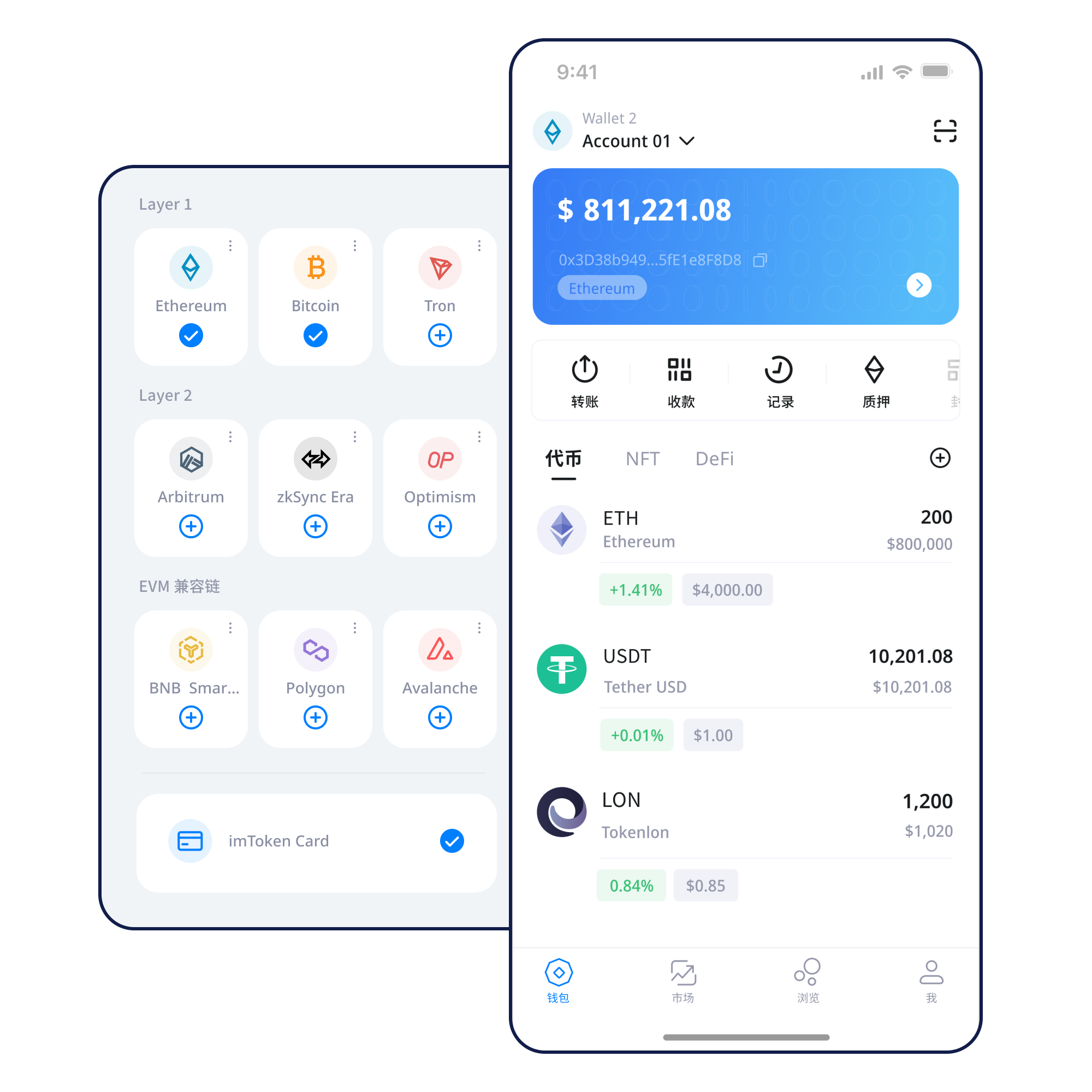
Understand the difference between creating a new wallet and importing an existing one, then establish backup before moving important assets.
Open guide →Keep recovery material offline and private, with a backup you can read and verify without sharing it with anyone.
Open guide →Confirm both the receiving address and the network; a correct-looking address does not prove the network is correct.
Open guide →Review the destination, network, amount and fee before signing because on-chain transfers are often not reversible by the wallet.
Open guide →Verify the domain and account request, then review each later signature or approval as a separate decision.
Open guide →Wallet capabilities
Separate networks, confirm addresses and understand confirmation status before treating a balance as fully settled.
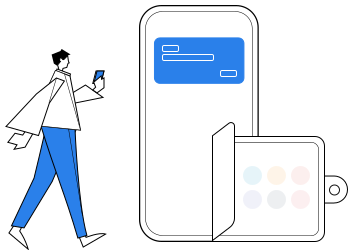
Review the receiving address, active network, amount, gas and transaction hash as parts of one lifecycle.
Use mobile wallet views to manage networks, inspect balances and review history while keeping device risk in mind.
Browser connection, approval review and safe disconnection are separate steps. Keep seed phrases and private keys offline and private.
Understand browser connections → Open security center →Blockchain networks
Separate assets by network, confirm fee assets and use on-chain records to validate the final state.
Read more →Understand nodes, blocks, broadcast status and confirmations instead of treating a wallet display as the only source of truth.
Read more →
Review chain ID, gas asset, contract address and token approval scope across compatible networks.
Read more →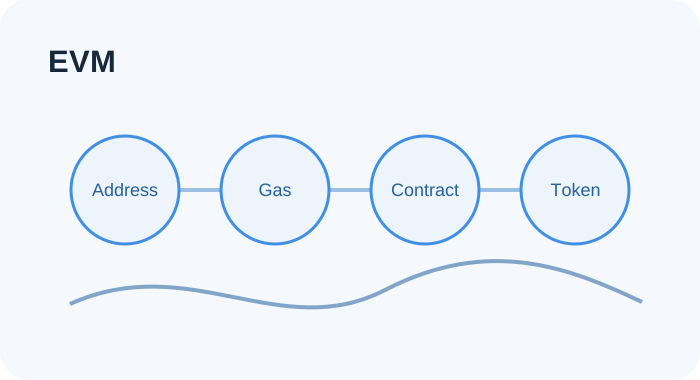
Know whether you are on the base chain or Layer 2, and understand bridge paths and waiting periods before moving assets.
Read more →
Fees, pending status and confirmation counts describe different parts of the transaction lifecycle.
Read more →Wallet path
Use the official download entry and avoid unknown redistribution links.
Know whether you are creating a new key set or importing one you already control.
Keep recovery material private and readable without screenshots or chat transfers.
Confirm the network, fee asset and destination before moving funds.
Review address, amount and network before signing a transaction.
Use transaction hashes and approval checks to verify what remains active.
Web3 & DApp
A connection does not justify every later signature. Read the domain, account request, signature text, approval scope and expected on-chain result separately.
Connecting a wallet does not mean every signature request should be approved. Review each signature and approval independently.
Security
Seed phrases and private keys are controlled by the user and should never be sent to anyone. Review addresses, networks, signatures and approvals before confirming, and treat third-party DApps and smart contracts as potential risk sources.
Open security center →
Academy
Start with the durable ideas behind the interface: addresses identify destinations, seed phrases and private keys control access, networks define where transactions live, gas pays for execution, transaction hashes reveal on-chain status, and DApp approvals can outlive a browsing session.
Read the beginner guide →Ethereum · PoS
Ethereum PoS uses validators to participate in consensus. Reward sources, validator status, withdrawals and exits are governed by network rules and can change over time.
Learn the mechanism →Before participating
Rewards are not guaranteed. Exits may involve waiting periods, validators can face penalties, smart contracts can fail, third-party services can add operational risk, and digital asset prices can fluctuate.
Understand PoS & validators →Updates
Clarifies network checks, backup and transaction review as a continuous workflow.
Similar address formats do not make different networks interchangeable.
A prior connection should not be treated as approval for a later signature.
Support guidance never requires seed phrases, private keys or verification codes.
FAQ
A wallet manages keys and presents on-chain information. Assets remain recorded on their respective blockchain networks.
The same address format can appear across different networks, while balances and transaction states remain network-specific.
Gas is the fee mechanism used to pay for transaction execution on a network; it is separate from the transferred amount.
A transaction hash is an identifier you can use to look up on-chain status, block inclusion and confirmations.
No. A connection is not blanket approval. Review every signature, approval and transaction independently.
No. Seed phrases, private keys and verification codes should never be sent to anyone.
It is permission granted to a spender contract to use tokens within a defined scope or amount.
No. Rewards can change, exits may involve waiting, and validator, contract and market risks exist.
Keep recovery secrets private, verify the network and destination, and review signatures or approvals before confirming.